Fall Protection Inspections: What Systems Should Be Inspected on Your Building?
Posted Sep 14, 2026Fall protection systems are designed to protect workers accessing roofs, equipment, and elevated areas, but like any safety system, they require regular inspection and maintenance to ensure they remain effective.
Many building owners and facility managers know they need fall protection but may not know exactly which components require inspection. This guide outlines common fall protection systems that building owners and facility managers may have on their properties and that should be included in a professional inspection program.
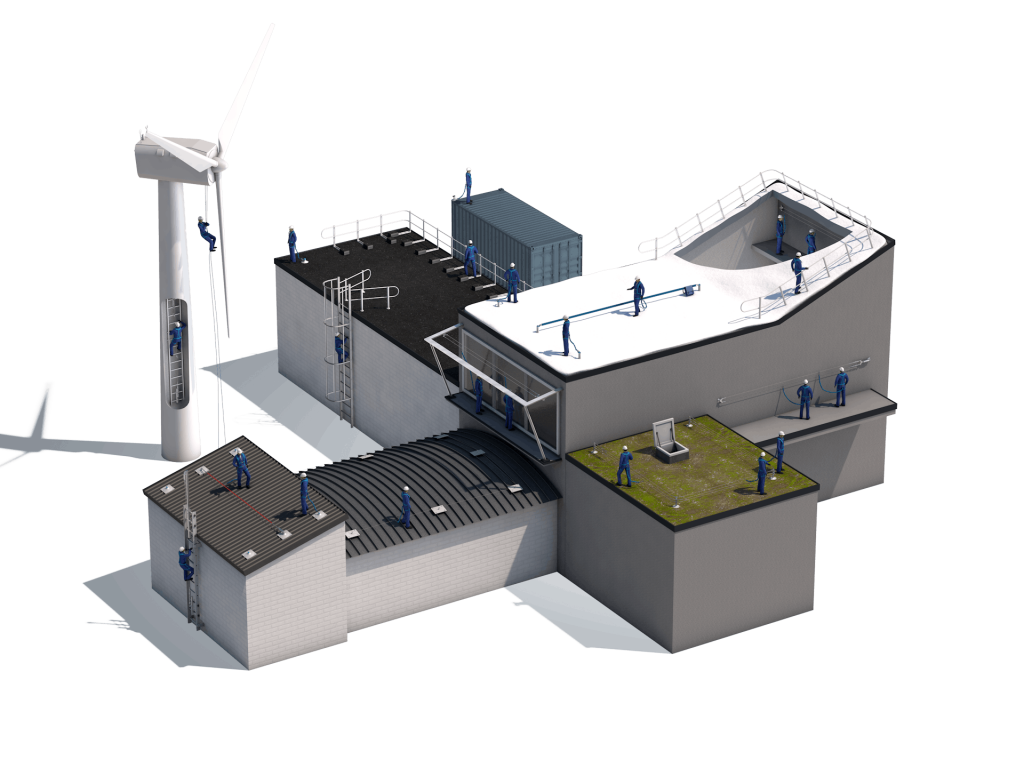
A complete fall protection system may include multiple components, such as roof anchors, horizontal lifelines, ladders, and guardrails, designed to help protect workers accessing elevated areas.
Fall Protection Systems
Roof anchors are critical components of a fall protection system and should be inspected to confirm they remain secure and suitable for use.
Examples Include:
- Permanent roof / wall anchors
- portable counterweighted anchor systems
- Horizontal lifeline anchor points
- Davit Arm Systems
- Parapet-mounted rope stops
Lifeline Systems
Horizontal lifelines allow workers to move safely along roof areas while remaining connected to a fall protection system.
Systems to inspect may include:
- Cable horizontal lifelines HLL
- vertical lifelines VLL
- Rail systems
- Energy absorbers and components
- Travelers whether installed permanently or removable
Fixed Ladders and Access Systems
Safe access is an important part of fall protection.
Inspection may include:
- Permanent Fixed Ladders
- Ladder Safety Systems VLL
- Ladder attachments and mounting points
- Access platforms or catwalks
- Access stairs
Guardrails and Roof Edge Protection
Passive fall protection systems should also be inspected to ensure they continue providing protection.
Examples:
- Rooftop guardrails, both fixed and counterweighted
- Warning lines
- Designated walkways and traction systems
Personal Fall Protection Equipment
Examples:
- Harness
- Lanyards
- Connectors
- Ropes and rope grabs
- Self-retracting lifelines
| Did You Know?
Fall protection systems should not be treated as a one-time installation. Changes to a building, exposure to weather, and regular use can alll affect system performance over time. |
Why Professional Fall Protection Inspections Matter
Installing a fall protection system is only the first step. Regular inspections and maintenance are essential to ensure systems continue to protect workers and meet workplace safety obligations.
In Nova Scotia, employers and building owners have responsibilities under occupational health and safety legislation to control hazards associated with working at heights. A damaged, outdated, or improperly maintained fall protection system can create serious safety risks and increase liability exposure.
Regular insoections help identify issues before they become incidents, maintain proper documentation, and demonstrate due diligence in protecting workers and contractors.
Not sure what fall protection systems are installed on your property? Contact Protech today to schedule a free safety assessment. We can help identify whether your existing fall protection systems require inspection, repair, replacement, or upgrades.